
Let’s Talk Stress & Anxiety. Your Nervous System May Be Asking for Support!


Anxiety can come on suddenly — a racing heart, shallow breathing, tight chest, or overwhelming thoughts. While anxiety often feels “mental,” it actually begins in the body, driven by the nervous system, particularly the sympathetic or “fight-or-flight” response.
Emotional stress has become a common experience in today’s fast-paced world. Work demands, relationships, family responsibilities, and constant stimulation can overwhelm the nervous system. When we assess patients in our office, we often find that many subluxations are connected to an overload of the stress response. In other words, the body can begin to break down physically when emotional stress becomes overwhelming.
We wanted to share how simple, effective strategies — paired with chiropractic care — can support a calmer, more resilient nervous system.
Anxiety Is a Nervous System Response
When an anxiety or panic attack occurs, your nervous system perceives a threat — even when no physical danger is present. This triggers stress hormones like adrenaline and cortisol, increasing heart rate, breathing, and muscle tension.
Your nervous system’s role is protection. However, when stress becomes constant, the system can stay stuck in survival mode. Chiropractic care focuses on supporting clear communication between the brain and body, helping the nervous system shift more easily into a calm, regulated state.
5 Ways to Override an Anxiety Attack
These techniques interrupt the stress loop and send signals of safety back to the brain.
#1 Slow, Intentional Breathing
Deep breathing is one of the fastest ways to calm the nervous system. Slow breaths in through the nose and longer exhales through the mouth activate the parasympathetic (“rest & digest”) system, helping the body feel safe again.
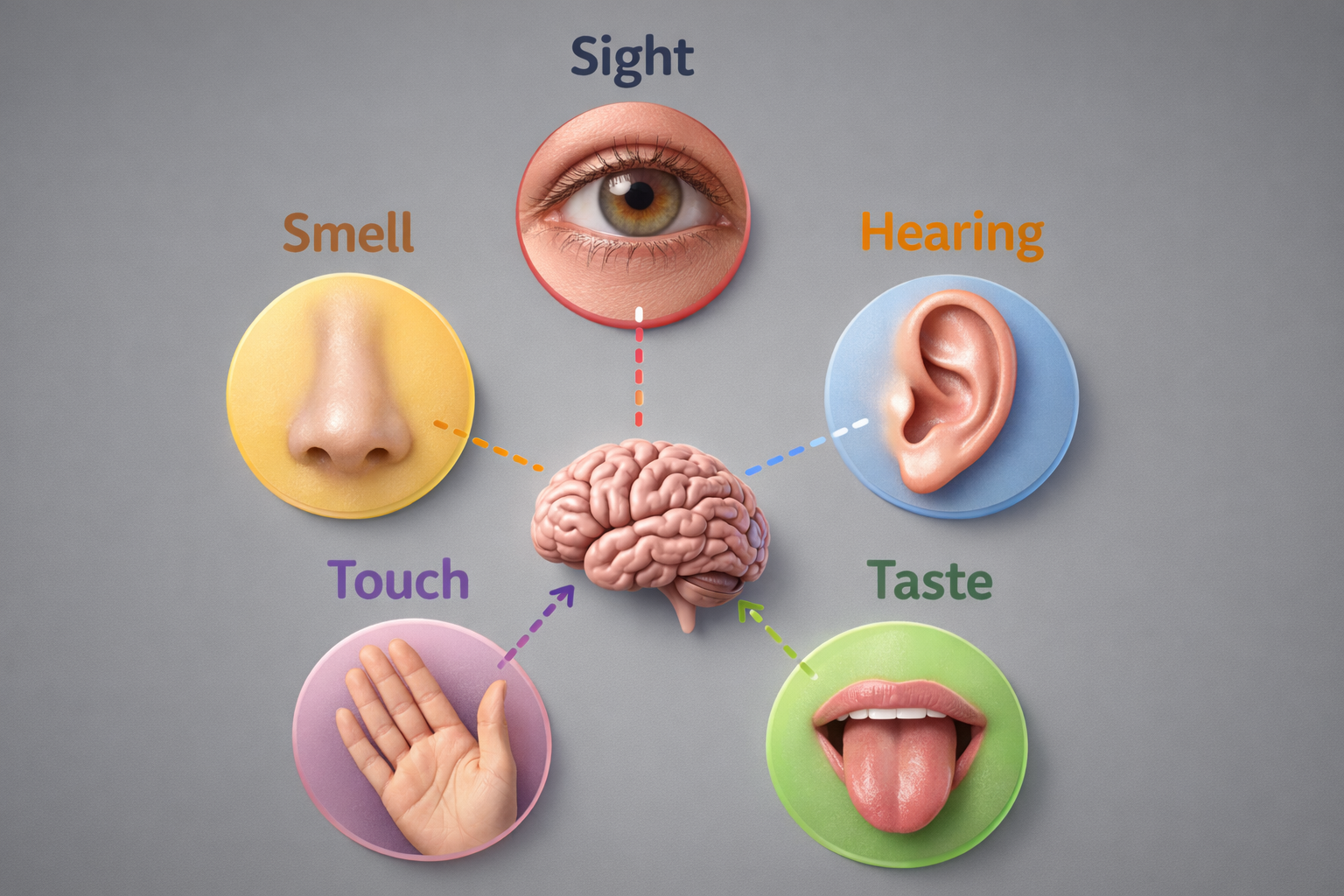
#2 Engage the Five Senses for Grounding
Anxiety pulls attention inward — toward racing thoughts or physical sensations. Redirecting focus outward using the five senses helps break this loop. Try these:
Sight: Name 5 things you can see
Touch: Feel the floor beneath your feet, the texture of clothing or hold someone's hand
Sound: Identify 3 different sounds around you and say them out loud
Smell: Notice a calming scent or the air around you all the while taking a deep breath
Taste: Sip water or focus on a favourite flavour
#3 Healthy Distraction to Reset the Brain
Distraction isn’t avoidance — it’s a nervous system reset tool. Shifting attention to a neutral or calming activity such as a short walk, light stretching, listening to music, or conversation helps disengage the stress response.
Movement and posture changes are especially effective, as physical input can quickly interrupt anxious signalling.
#4 Progressive Muscle Relaxation & Relaxation Practices
Gently tensing and relaxing muscle groups helps release stored tension and calm the nervous system. Other relaxation techniques — such as visualization, meditation, or yoga — can also reduce emotional stress by quieting the mind and relaxing the body.
#5 Movement, Sleep & Daily Habits Matter
Regular exercise releases endorphins — natural mood-boosting chemicals that help reduce anxiety and improve sleep quality. Adequate sleep (7–8 hours per night) is essential for nervous system recovery and emotional resilience.
Taking breaks throughout the day, stepping outside, or engaging in hobbies you enjoy can also help prevent stress overload.
Connection Is Regulation
Social connection plays a powerful role in nervous system health. Spending time with supportive friends and family, or speaking with a professional when needed, helps reduce emotional stress and reinforces feelings of safety and support.
How Chiropractic Care Supports Emotional Stress & Anxiety
Your spine is a key pathway for nervous system communication. When spinal joints aren’t moving optimally, it can create interference — adding physical stress to an already overwhelmed system.
Chiropractic care helps by:
-Supporting healthy nervous system regulation
-Encouraging parasympathetic (calming) responses
-Reducing physical stress linked to emotional overload
-Improving the body’s ability to adapt to daily stress
Many patients notice they feel calmer, clearer, and more balanced when their nervous system is functioning well.
Emotional stress is part of life — but living in constant overwhelm doesn’t have to be. By practicing mindfulness, engaging the senses, moving your body, prioritizing sleep, connecting with others, and supporting your nervous system through chiropractic care, you can build greater resilience and well-being.
Click here to watch Dr. Angela’s personal video message to you: https://youtube.com/shorts/mrv8_THKXAU



Our Clinic
At Barrow Family Chiropractic, we create a warm, welcoming space where families can find true health. You’ll find our practice on Conservation Trail, just over from Belwood Lake. Often Rockford the practice dog will be here to greet you!
.svg)



.svg)