
Movement Is Life & Your Spine Leads the Way

At Barrow Family Chiropractic, we talk a lot about movement—and for good reason. Movement isn’t just something we do… it’s something that keeps us alive.
Think about it:
A heart that doesn’t move can’t pump.
Lungs that don’t move can’t breathe.
Blood cells that don’t move can’t deliver oxygen.
And a spine that doesn’t move properly can’t support the communication between the brain and the body the way it was designed to.
Your spine was made for motion. That motion nourishes joints, supports daily activities, and—most importantly—stimulates the nervous system so the brain and body can function at their best.
Why Spinal Movement Matters to the Brain
Here’s something many people don’t realize:
Movement—especially spinal movement—is essential for proper brain function.
In fact, more than half of the nerve signals traveling between your brain and body are related to movement and sensory input. This stimulation keeps the brain “charged,” helping you think clearly, regulate emotions, coordinate movement, and support organ and immune function.
Nobel Prize–winning neuroscientist Dr. Roger Sperry compared spinal movement to a windmill that generates electricity for a power plant. His research showed that the more structurally distorted the body becomes, the less energy the brain has for healing, metabolism, and clear thinking.
In other words: Movement fuels the brain.
Your Brain Needs Input—Not Just Control
We often think of the brain as the boss, controlling the body. But the relationship works both ways.
The brain requires constant input from movement to stay awake, alert, and adaptable.
Research has shown that when sensory movement input is reduced, brain function declines—sometimes dramatically. Proper joint motion, especially in the spine, acts like a nutrient for the brain, supporting learning, memory, emotional regulation, and overall health.
Why This Is Especially Important for Children
Children’s brains are rapidly developing, and spinal movement plays a critical role in that process. Sensory input from spinal joints helps shape the neural connections that children rely on for the rest of their lives.
Reduced spinal movement has been linked in research to challenges with:
- Motor development
- Learning and concentration
- Emotional regulation
- Behaviour
- Sleep
- Immune function
The upper neck deserves special attention. It contains the highest concentration of movement receptors and is also the most vulnerable to stress—from birth, falls, posture, and daily life. When motion in this area is restricted, the brain may not receive the stimulation it needs.
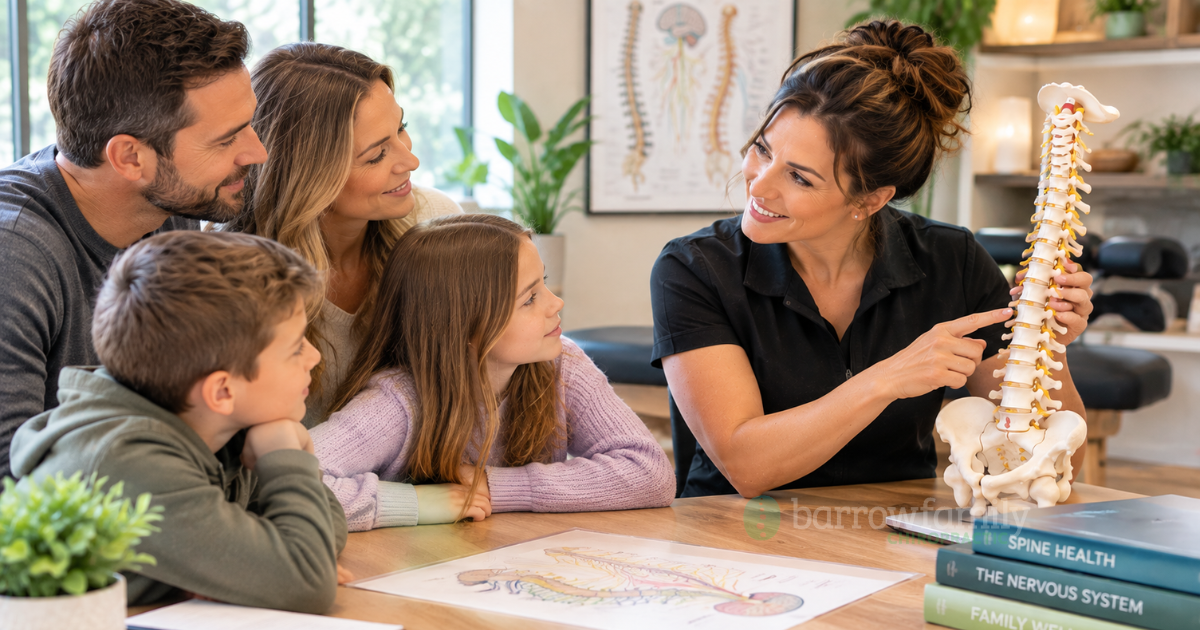
This is why gentle, specific chiropractic care for children and families is so important—and why spinal health exams matter at every age.
How Chiropractic Supports Movement
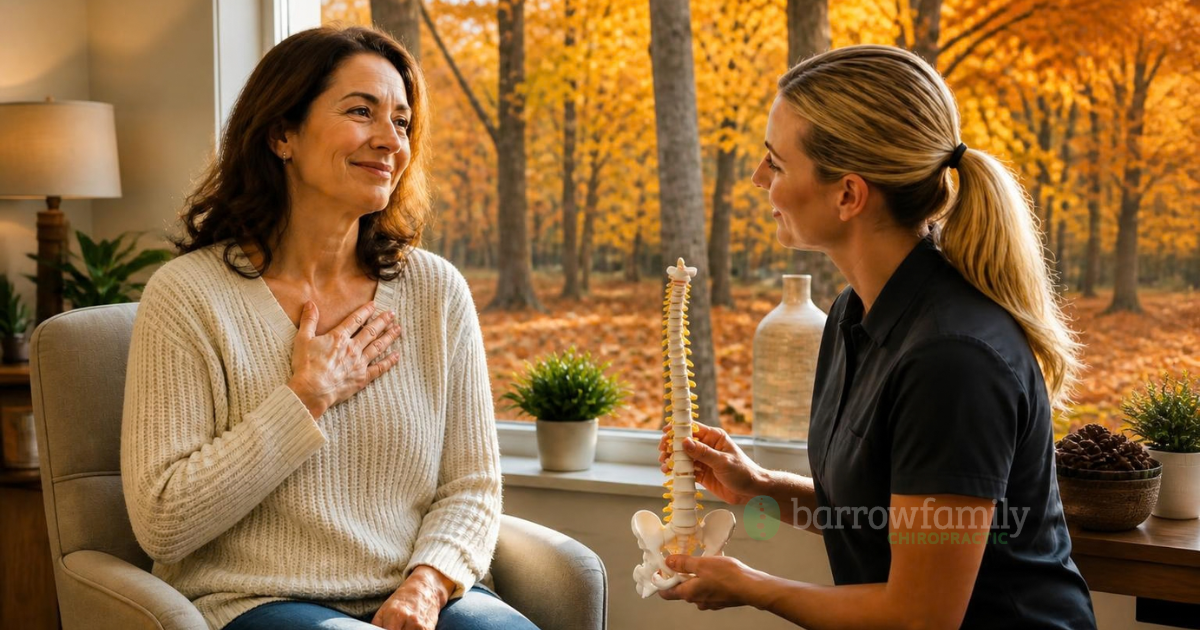
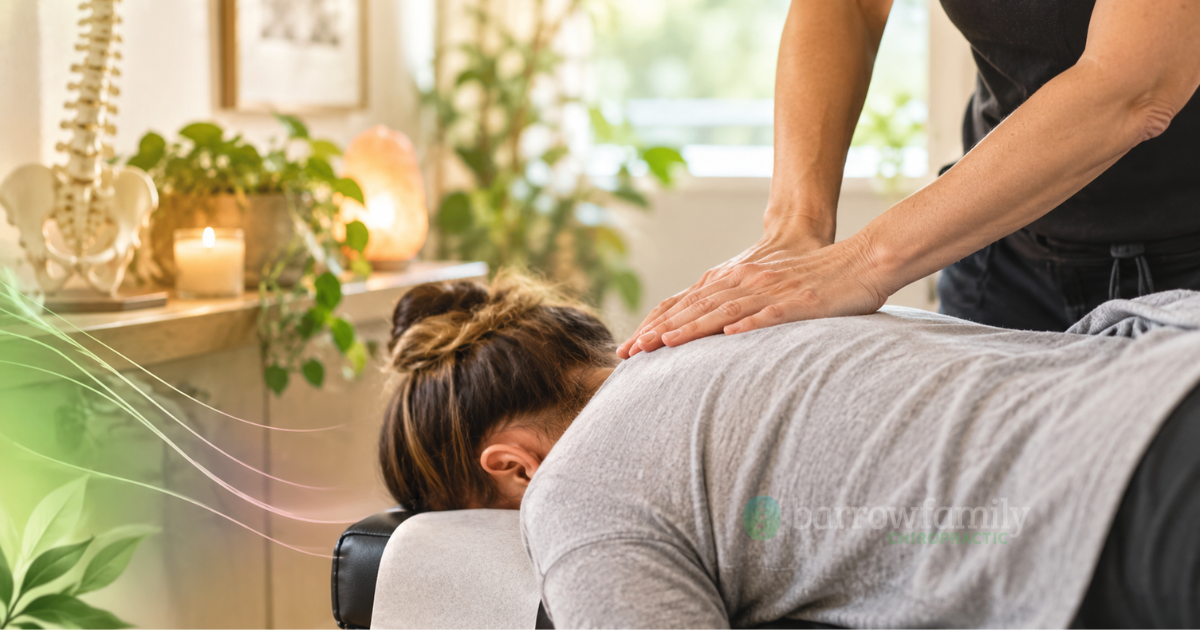
Chiropractic care is designed to restore and support proper spinal motion by addressing areas of restriction or subluxation. When the spine moves better, the nervous system communicates more clearly—and the body can function more fully.
At Barrow Family Chiropractic, we focus on:
- Gentle, specific adjustments
- Nervous system–centred care
- Supporting & educating families from infancy through adulthood
When chiropractic care is combined with healthy movement habits, good nutrition, and simple brain-based exercises, it gives the body and brain the best chance to thrive.
March Is Movement Month
We were designed to move—but modern life keeps us sitting more than ever. That disconnect shows up as fatigue, stress, discomfort, and chronic tension.
This month, we invite you to:
- Move more
- Sit less
- Pay attention to your posture
- Get your spine checked
- Encourage movement for your children
Because motion truly is lotion—and movement is life.
If you’ve never had a spinal health exam, or if it’s been a while, March is the perfect time to start. Your brain, your spine, and your family will thank you.
Our Clinic
At Barrow Family Chiropractic, we create a warm, welcoming space where families can find true health. You’ll find our practice on Conservation Trail, just over from Belwood Lake. Often Rockford the practice dog will be here to greet you!
.svg)



.svg)